The Complete Guide to Roofing Materials: Everything Homeowners Need to Know Before Replacing Their Roof
Not all roofs are created equal and neither are the materials that protect them. If you're considering a roof replacement, this comprehensive guide from Blue Peak Construction breaks down every major roofing material available today, from budget-friendly asphalt shingles to premium natural slate. We cover lifespan, pros and cons, cost estimates, and the key factors you need to consider before making one of the biggest investments in your home. Make the right choice with confidence and let Blue Peak help you get it done right.
Emmanuel Odagbodo
5/12/20266 min read
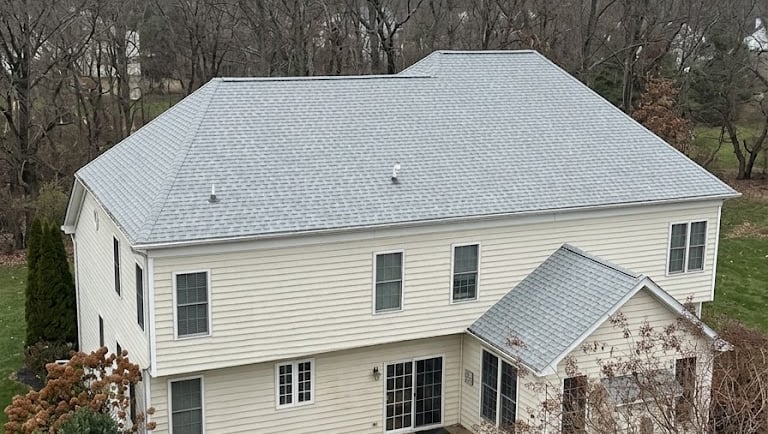
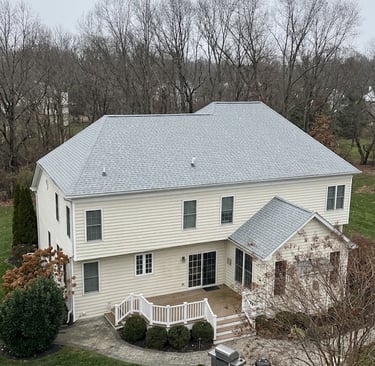
Photo from previous project
About Blue Peak Construction
Blue Peak Construction is a trusted name in the building and renovation industry, proudly serving homeowners and businesses through quality craftsmanship, honest communication, and a dedication to getting the job done right. Based at bluepeakbuilds.com, we specialize in custom home builds, full-scale renovations, roofing, and commercial construction, bringing together experienced tradespeople, modern building practices, and a client-first approach that sets us apart.
Replacing your roof is one of the most significant investments you'll make as a homeowner. It's not a decision to rush, and it's certainly not one to make based on price alone. The material you choose will determine how well your home is protected for the next 20, 40, or even 50+ years, affecting everything from energy efficiency and curb appeal to long-term maintenance costs and resale value.
At Blue Peak Construction, we've helped countless homeowners navigate this decision. This guide breaks down everything you need to know about roofing materials, the options available, their pros and cons, cost considerations, and how to choose the right one for your home.
Why Your Choice of Roofing Material Matters
The right roofing material should be able to withstand your local climate and that means more than just keeping the rain out. Depending on where you live, your roof may need to endure extreme heat, freezing temperatures, heavy snowfall, high winds, or relentless humidity. A material that performs beautifully in a dry, mild climate may deteriorate rapidly in a region prone to moisture and storm activity. That's why understanding your local weather patterns is one of the very first things to consider before making any roofing decision.
Beyond performance, your roofing material should also complement your home's architecture. A sleek standing seam metal roof may look stunning on a modern, minimalist build but it could feel out of place on a traditional craftsman or colonial-style home. Clay tiles, on the other hand, are a natural fit for Mediterranean or Spanish-style properties but may look mismatched on a rustic countryside cottage. The visual harmony between your roof and your home's overall design plays a significant role in curb appeal and long-term property value, so aesthetics should never be an afterthought.
Your roof does more than keep the rain out. It acts as your home's first line of defense against wind, heat, cold, moisture, and debris. The right material will:
Key Factors to Consider When Choosing a Roofing Material
With so many options, narrowing down your choice comes down to these essential considerations:
1. Climate — If you live in an area with heavy rain, strong winds, or extreme heat, prioritize materials with high impact and weather resistance. Metal and slate perform exceptionally well in harsh conditions.
2. Budget — Consider both the initial cost and the long-term cost of ownership. A more expensive material like metal or slate may cost less over time when factoring in reduced maintenance and a longer lifespan.
3. Home Structure — Heavy materials like slate and clay tiles require a structurally reinforced roof deck. Always have a professional assess your home's load capacity before committing to a heavy material.
4. HOA & Local Building Codes — Some neighborhoods or municipalities restrict certain materials. Always check before making a final decision.
5. Contractor Expertise — Certain materials, especially slate and standing seam metal require specialized installation. Always work with a contractor who has verified experience with your chosen material.
With those factors in mind, let's look at the most common roofing materials available today.
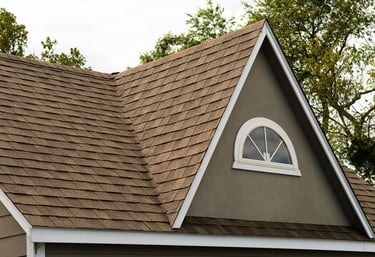
1. Asphalt Shingles
Best for: Most residential homes | Lifespan: 20–30 years
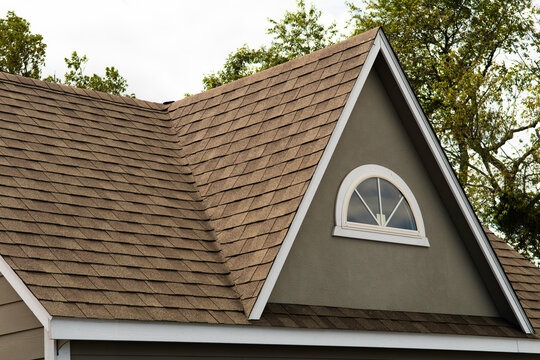
Asphalt shingles are by far the most widely used roofing material in North America, and for good reason — they strike a strong balance between affordability, durability, and ease of installation.
They come in two main types:
3-tab shingles
The more basic, budget-friendly option with a flat, uniform appearance
Architectural (laminate) shingles
Thicker, more durable, and more visually appealing with a dimensional look
Pros:
Cost-effective and widely available
Easy to install and repair
Available in a wide range of colors and styles
Compatible with most home designs
Cons:
Shorter lifespan compared to premium materials
Less environmentally friendly, most end up in landfills
Can be susceptible to wind damage in severe storms
2. Metal Roofing
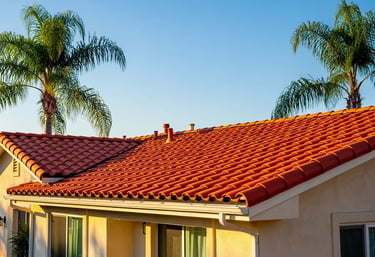
Best for: Mediterranean, Spanish, or Southwest-style homes | Lifespan: 50–100 years
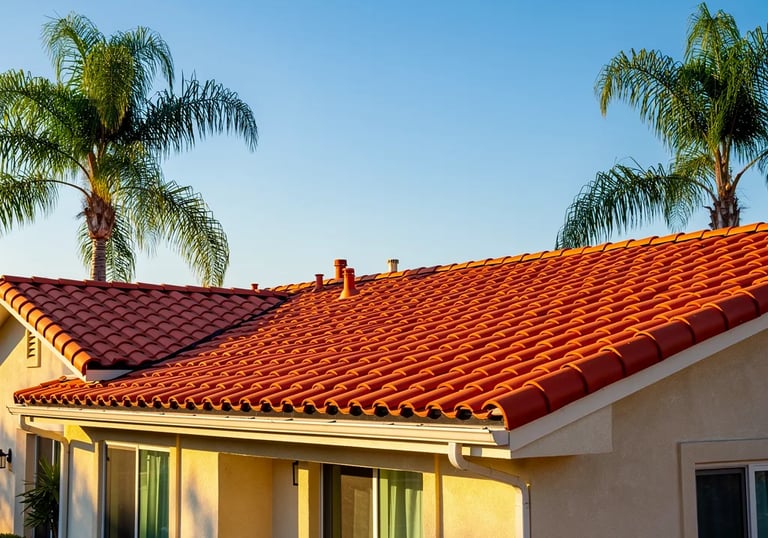
Clay and concrete tiles are a hallmark of classic architecture and offer a distinctive, elegant appearance that dramatically enhances curb appeal. Clay tiles are the traditional option; concrete tiles are a more affordable alternative that mimics the look.
Pros:
Exceptional longevity clay tiles can last over a century
Fire-resistant and highly durable
Excellent in hot, dry climates naturally ventilating design keeps homes cooler
Low maintenance once properly installed
Cons:
Very heavy not all homes can support the added structural load without reinforcement
Expensive to purchase and install
Fragile underfoot walking on them during maintenance can cause cracking
Limited aesthetic flexibility best suited to specific architectural styles
3. Clay & Concrete Tiles
Best for: Longevity-focused homeowners, modern & contemporary homes | Lifespan: 40–70 years
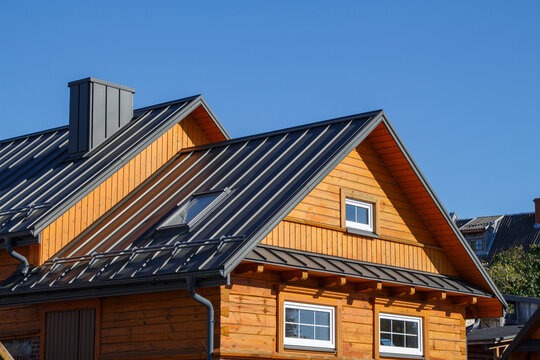
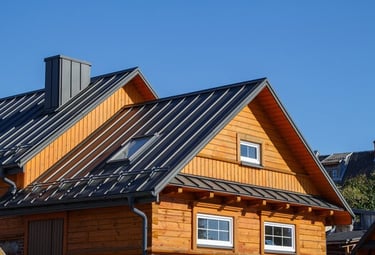
Metal roofing has surged in popularity over the last decade, and it's easy to see why. Available in steel, aluminum, zinc, and copper, metal roofs offer exceptional durability and a sleek, modern aesthetic.
They come in two primary styles:
Standing seam
Raised interlocking seams run vertically up the roof for a clean, contemporary look
Metal shingles or tiles
Designed to mimic the appearance of traditional shingles, wood shake, or slate
Pros:
Extremely long lifespan often outlasts the home itself
Highly resistant to wind, fire, and impact
Energy-efficient reflects solar heat to reduce cooling costs
Low maintenance over its lifetime
Environmentally friendly often made from recycled materials and fully recyclable
Cons:
Higher upfront cost than asphalt
Can be noisy during heavy rain (though insulation mitigates this)
Requires specialized installation not all contractors are experienced with metal
Expansion and contraction in extreme temperatures can cause issues if improperly installed
4. Slate Roofing
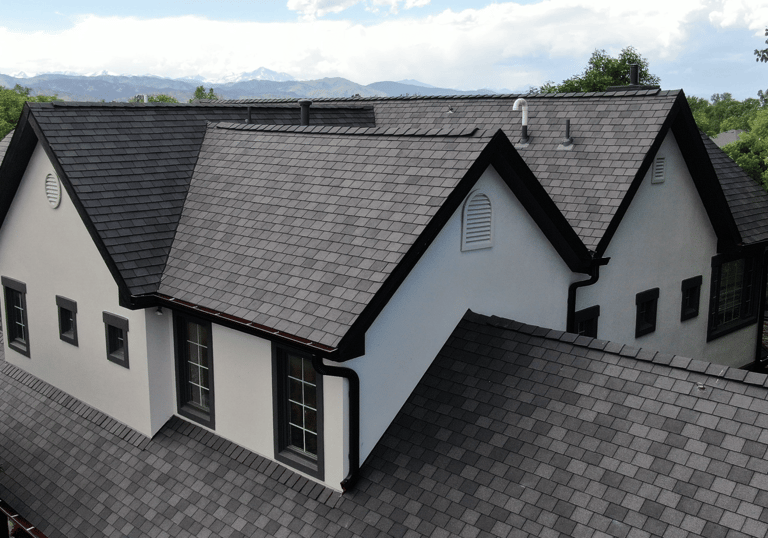
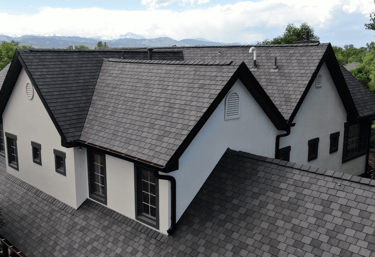
Best for: Luxury homes, historic properties | Lifespan: 75–150+ years
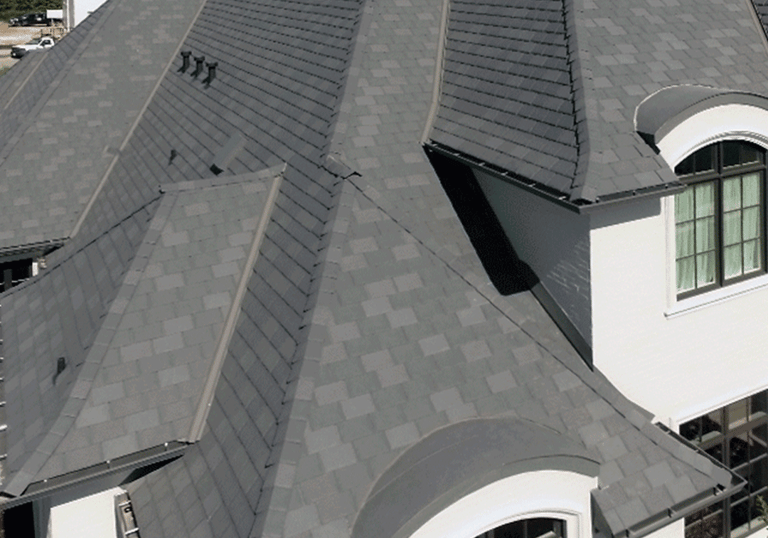
Natural slate is arguably the most premium roofing material available. Quarried from natural stone, each slate tile is unique and carries an unmatched level of elegance and sophistication.
Pros:
Extraordinarily long lifespan many historic buildings still have their original slate roofs
Completely natural material no synthetic components
Fire-resistant and virtually impervious to mold and mildew
Adds significant resale value to the home
Cons:
The most expensive roofing option available
Extremely heavy structural reinforcement is almost always required
Requires highly specialized installation very few contractors are qualified
Individual tiles can crack under impact and must be carefully sourced for replacement
5. Wood Shake & Shingles
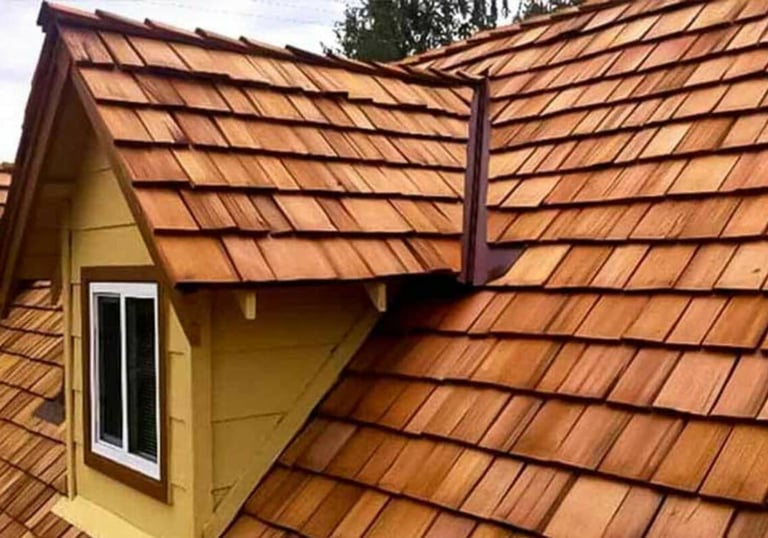
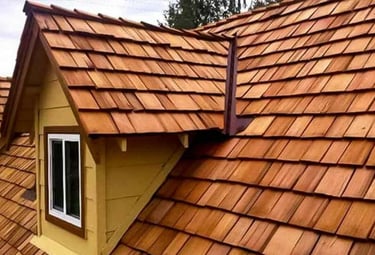
Best for: Rustic, cottage, or craftsman-style homes | Lifespan: 25–40 years
Wood shakes and shingles typically made from cedar, redwood, or pine offer a warm, natural aesthetic that's hard to replicate with synthetic materials. Shakes are hand-split for a rougher texture; shingles are sawn for a smoother, more uniform appearance.
Pros:
Beautiful, natural look that weathers attractively over time
Good insulating properties
Environmentally friendly when sourced sustainably
Cons:
Requires regular maintenance cleaning, treating, and occasional repairs
Susceptible to moisture, mold, rot, and insect damage without proper treatment
Fire risk many areas restrict or prohibit wood roofing due to fire codes
Higher maintenance cost over time
Best for: Homeowners wanting premium looks at moderate cost | Lifespan: 30–50 years
Synthetic roofing materials made from rubber, plastic, or polymer composites are engineered to replicate the appearance of slate, wood shake, or tile at a fraction of the weight and cost.
Pros:
Highly durable and impact-resistant
Lightweight and no structural reinforcement typically needed
Low maintenance
Wide variety of styles and colors
More affordable than the natural materials they mimic
Cons:
Longevity not yet fully proven compared to traditional materials
Quality varies significantly by manufacturer
May not add the same resale value as natural slate or tile
6. Synthetic & Composite Roofing
How Blue Peak Construction Can Help
Choosing the right roofing material is a major decision, and you don't have to make it alone. At Blue Peak Construction, our experienced roofing team will assess your home, discuss your goals and budget, and recommend the best solution for your specific situation with no pressure and no guesswork.
We work with all major roofing materials and bring the same commitment to quality and transparency to every roof we install or replace.
Ready to replace your roof the right way? Visit us at bluepeakbuilds.com or click the button below to schedule a FREE roofing consultation. Your home deserves the best and so do you.